“I wish I were a Kurd”: A Tribute to Fadi Akoum
15 January 2026
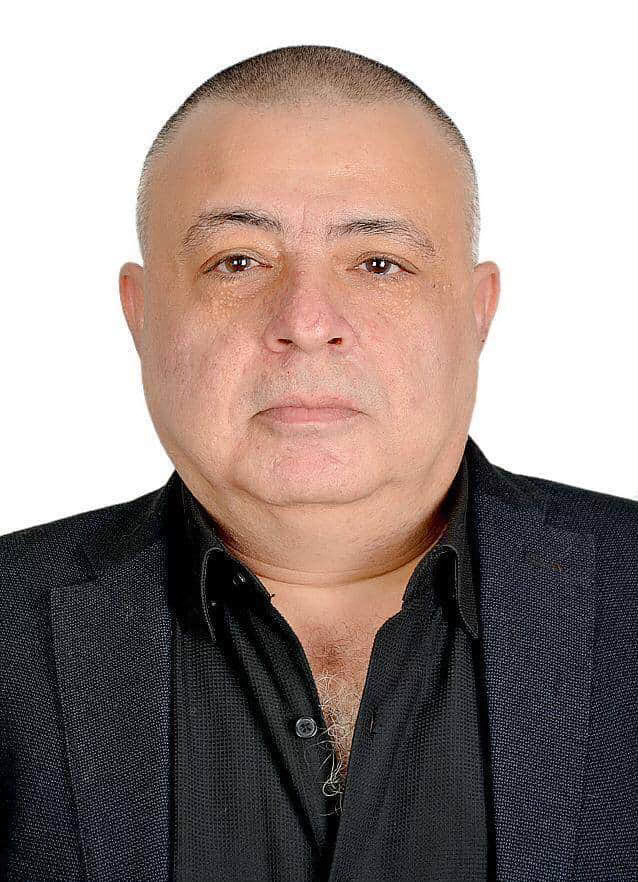
In a Middle East often fractured by silence and defined by the stark lines of nationalism, it is a rare and thunderous event when a voice crosses the divide to offer not just sympathy, but profound recognition. For decades, the Kurdish fate has been written in invisible ink by the powers that be—acknowledged only when useful, erased when inconvenient. It is into this historical void that the Lebanese researcher Fadi Akoum steps with his powerful treatise, “To Be Kurdish.” To read Akoum’s words is to witness an act of intellectual courage and moral clarity that demands our deepest gratitude. He has held a mirror up to the Kurdish soul and, remarkably, refused to look away from the fire he found there.
For an Arab intellectual to declare that being Kurdish is the “hardest of the hard” in our modern era is to validate centuries of struggle. Akoum recognises that the fate of the Kurds is no longer merely a battle for the preservation of language or folklore, but has evolved into a crushing, existential mandate to defend the very “earth, stone, and humans” of the region. He articulates the burden that every Kurd feels but rarely hears spoken by an outsider: that to be Kurdish today is to be drafted by destiny into a war for humanity itself.
The short text is a testament to the distinct tragedy and glory of the Kurdish position in Syria and beyond. Akoum sees past the propaganda to the reality of the frontlines, acknowledging that when the region was drowning in the darkness of those wearing “black shirts”—the extremists and terrorists—it was the Kurd who stood as the dam against the flood. His gratitude acknowledges a painful truth:
the Kurds have become the guardians of peoples who may not even love them back.
As Akoum writes, the Kurd is forced to defend “populations that gave you the safety of their existence,” fighting with honor against groups that have sold theirs.
There is a heartbreaking beauty in Akoum’s observation of Kurdish altruism. He documents the cruel irony of the Kurdish fate:
to be the one who opens schools and secures “a loaf of bread” for the other before himself, ensuring the warmth of another’s child while his own remains in the cold wind of geopolitical neglect.
This is the anatomy of the Kurdish spirit that Akoum so eloquently dissects—a spirit that cleans the “dens” of terror to protect gains that belong “to everyone without discrimination,” rather than seizing them for an ethno-nationalist dream.
Perhaps most moving is Akoum’s defense of the Kurds against the “barrage of daily criticism” from those who fled to the arms of the “new Ottoman Sultan.” He exposes the deep ingratitude of history:
that the Kurd is tasked with liberating the very minds that accuse him of treason, and breaking the chains of those who would gladly see him in shackles.
He recognises the immense moral discipline required to be a Kurd—to face an enemy who shot at you yesterday, and upon their surrender, hold your fire because your “morals do not allow you to touch a hair on his head.” This, Akoum notes, is the burden of the “noble knight” in a land stripped of chivalry.
Fadi Akoum’s research transcends political analysis; it is a love letter to human resilience. By describing the Kurd as the one who crosses “minefields and walls of fire” just to convey the naked truth to the world, he elevates the Kurdish struggle from a local conflict to a universal standard of integrity. He sees the Kurd not as a victim to be pitied, but as the “purest version of a human.”
To Fadi Akoum, we owe a debt of million thanks.
In a world that tries to make the Kurd feel like a mistake of history, he has declared that being Kurdish is an aspiration. His concluding wish—“I wish I were a Kurd”—is the highest honor one could bestow upon a people who have walked through fire. He reminds us that the fate of the Kurds is not just to survive, but to remain human when the world around them has forgotten how.
مقال للباحث اللبناني فادي عاكوم بعنوان ” أن تكون كردياً”
موجز عن حياة الباحث فادي عاكوم:
حاصل على ماجستير في علم الآثار عام 1994 من “الجامعة اللبنانية”.
عمل في العديد من الصحف الورقية والمواقع الإلكترونية.
له عدة مؤلفات أدبية وسياسية منها: المجموعة القصصية “زينة”، ورواية “نواف”، وكتاب “حزب الله وسياسة المتعة”، و”الكرد وأراضي الواقع”، و”المكونات السورية”.
كاتب وصحفي لبناني مقيم في مصر.
أن تكون كرديّاً”
في هذا العصر الرّهيب سياسيّاً وعسكريّاً، من الصعب أن تكون إنساناً، ومن الأصعب أن تكون شرق أوسطيّاً، ومن صاعب الصّعاب أن تكون كرديّاً، لأنّك ستتورّط بمَهمّة الدّفاع عن الأرض والحجر والبشر، بعد أن كان الهمّ الأكبر الحفاظ على الهُويّة واللّغة والثقافة.
فما جرى في سوريّا، سيُذكر في كتب التّاريخ والوثائق السرّيّة وغير السرّيّة، لأنّه أعاد للكرد اعتبارهم وهُويّتهم شبه المسلوبة، سيذكر التّاريخ بأنّ الكرد أعادوا اللّحمة بين مكوّنات الأرض السّوريّة، على خلاف ما كان يُخطّط له.
أن تكون كرديّاً؛ فإنّك على خطّ النّار، بمواجهة أصحاب اللّحى والقمصان السّوداء، فتتمترس لتدافع عن الشعوب التي أعطتك أمان وجودها، ووَثِقَت ببندقيّتك ورصاصتك، فأن تكون كرديّاً، فَقَدَرُك القتال بشرف ضدّ جماعات باعت الشرف.
أن تكون كرديّاً؛ فإنّك مُجبرٌ على حماية مكتسباتك، ومكتسباتك ليست لك، بل ملكٌ للجميع دون تفرقة. وأن تكون كرديّاً؛ فمن مسؤوليّتك تنظيف الأوكار في المناطق المحرّرة من أرانب الإرهاب المختبئين بِجُبنٍ واضحٍ.
أن تكون كرديّاً، فإنّك مُجبرٌ على رفع علم الحرّيّة أينما حللت، ومُجبرٌ على فتح المدارس وتأمين رغيف الخبز للآخر قبل نفسك، ومعه دفء الشّتاء وبسمةُ الأطفال…
أن تكون كرديّاً؛ فإنّك مُعرّضٌ لوابلٍ من الانتقاد اليوميّ من أشخاص هربوا وارتموا في أحضان السلطان العثمانيّ الجديد، باعوا أرضهم وعرضهم ليكونوا عبيداً للسلطان الجديد، وعليك أن كنت كرديّاً لتحرّرهم وتحرّر عقولهم المغيّبة.
أن تكون كرديّاً؛ عليك ألا تُلقِيَ بالاً للاتّهامات العنصريّة، و”تطنّش” اتّهامات فارغة نعلم جميعاً أنّها تُجرِحك وممكن أن تُصيبك بمقتلِ؛ لأنّها تُحوّر الحقيقةَ وتُشوّهُ الصّورة النبيلةَ الشفّافة.
أن تكون كرديّاً؛ عليك أن تكون متسامحاً مع من وَجّهَ رصاصاته إليك في الأمس، بعد أن رفع يديه وهو يعلم أنّك لن تؤذيه، وأنت تعلم ونحن نعلم وجميعنا نعلم بأنّه قد يعيد الكَرَّةَ مرّة واثنتين وثلاثة إن قُدِّرَ له ذلك، لكن أن تكون كرديّاً؛ فأخلاقك لا تسمح لك بمساس شعرةٍ منه.
أن تكون كرديّاً؛ فإنّك ستُمسِك آلة التصوير والقلم، وتجتاز حقول الألغام وجدران النّار، لتَنقُلَ الصورة الحقيقيّة لما يجري للعالم، أن تنقل الصورة كما هي دون زيف أو تزيين.
أن تكون كرديّاً؛ فإنّك مقاتلٌ…
أن تكون كرديّاً؛ فإنّك من أنبل الفرسان…
أن تكون كرديّاً؛ فإنّك النسخة الصافية من الإنسان…
فجميل جدّاً أن تكون كرديّاً… ويا ليتني كنت كرديّاً…
خۆزگە کورد بوومایە !
توێژەری لوبنانی فادی عاكوم
“ئەگەر كورد بیت”
لەم سەردەمەدا كە لەروی سیاسی و سەربازییە ترسناكە، ئاڵۆزە مرۆڤ بیت، هەروەها ئاڵۆزترە ئەگەر لە رۆژهەڵاتی ناوەڕاست بیت، لە هەموشی ئاڵۆزتر ئەوەیە كورد بیت، لەبەرئەوەی ناچار دەبیت بەرگری لە خاك و دار و بەرد و مرۆڤ بكەیت، ئەمەش پاش ئەوەی كە گەورەترین خەم پاراستنی ناسنامە و زمان و كلتورە.
ئەوەی لە سوریا دەگوزەرێ، لە مێژو و بەڵگەنامە نهێنی و ئاشكراكاندا یادی دەكرێتەوە، لەبەرئەوەی جارێكی تر بون و ناسنامەی كورد دەدزرێتەوە، مێژو یادی ئەوە دەكاتەوە كە كورد جارێكی تر لوقمەیەكی هێناوەتەوە نێو پێكهاتەكانی خاكی سوریا بەپێچەوانەی ئەوەی كە لە رابردو پلانی بۆ داڕشتبو.
ئەگەر كورد بیت ئەوا لەسەر هێڵی ئاگر دەبیت و روبەڕوی كەسە ریشن و جل ڕەشەكان دەبیتەوە، هەمیشە ئەزمونی ئەوە دەكەیت بەرگری لەو گەلانە بكەیت كە زامنی بونی خۆیان بەتۆ بەخشیوە بە چەك و پێنوسەكەت مێژو دەنوسیتەوە، ئەگەر كور بیت شەرەفمەندانە توانات ئەبێت بۆ شەڕ دژی ئەو گروپانەی شەرەفیان فرۆشتوە.
ئەگەر كورد بیت ناچار دەبیت بەرگری لە دەسكەوتەكانت بكەیت، دەسكەوتەكانیشت بۆ خۆت نین، بەڵكو بۆ هەموانە بەبێ جیاوازی. ئەگەر كورد بیت ئەوا بەرپرسیارێتیی تۆ پاككردنەوەی مۆڵگەكانی ناوچە ئازادكراوەكانە لە كەروێشكەكانی تیرۆر كە بەترسێكی ئاشكراوە خۆیان شاردوەتەوە.
ئەگەر كورد بیت، ناچار دەبیت ئاڵای ئازادی هەڵبكەیت بۆ هەر كوێ بڕۆیت، ناچار دەبیت قوتابخانەكان بكەیتەوە و نان بۆ ئەوانی دیكە زامن بكەیت بەرلە خۆت، لەگەڵ ئەوەشدا دەبێ زستانیان بۆ گەرم دابێنیت و خەندە بخەیتە سەر لێوی منداڵەكانیان.
ئەگەر كورد بیت ئەگەری هەیە رۆژانە روبەڕوی شەپۆلێك لە رەخنە ببیتەوە لەلایەن ئەو كەسانەی هەڵاتون و خۆیان هاویشتوەتە نێو باوەشی سوڵتانە نوێیەكانی عوسمانی و خاكەكەیان فرۆشتوە و خستویانەتە بەردەم سوڵتانی نوێ بۆ ئەوەی ببن بە كویلەی ئەو، تۆش ئەگەر كورد بیت ئەبێ ئەو خەڵكانە و مێشكە پوچەكانیان ئازاد بكەیت.
ئەگەر كورد بیت نابێت گوێ بە تۆمەتە رەگەزپەرستییەكان بدەیت و لەهەمان كاتدا دەبێت تۆمەتە ناڕاستەكانیش وەلا بنێی كە هەمو دەزانین بریندارت دەكەن و رەنگە ببنە هۆی كوشتنت؛ لەبەرئەوەی راستییەكان ئاوەژو دەكەن و وێنەی رون و راستەقینەی خۆت دەشێوێنن.
ئەگەر كورد بیت ئەبێ لێبوردە بیت لەگەڵ ئەو كەسەی دوێنێ روی فیشەكەكانی كردە تۆ، دوای ئەوەی دەستی بەرز كردەوە، باش دەزانێت كە تۆ ئازاری نادەیت، تۆش و ئێمەش و هەمومان دەزانین كە رەنگە ئەو كەسە جارێكی تر و دوان و سیانی دیكە هەمان كردەوە دوبارە بكاتەوە هەركات بەباشی بزانێت، بەڵام ئەگەر كورد بیت ئەخلاقی تۆ رێگەت پێ نادات پەنجە بۆ تاڵە قژێكی بەریت.
ئەگەر كورد بیت، ئامێرێكی وێنەگرتن و پێنوسێك دەگریت بە دەستەوە و كێڵگەكانی مین و دیوارە ئاگرینەكان تێدەپەڕێنیت بۆ ئەوەی وێنەی راستەقینەی ئەوە بگوازیتەوە كە لە جیهان رودەدات، وێنەیەك كە وەك خۆی وایە بەبێ خەوش و بێ جوانكاری.
ئەگەر كورد بیت، ئەوا تۆ شەڕڤانیت
ئەگەر كورد بیت، ئەوا لە خانەدانترین سوارچاكەكانیت
ئەگەر كورد بیت، ئەوا تۆ كۆپیی ئەسڵیی مرۆڤیت
زۆر جوانە تۆ كورد بیت... خۆزگە كورد بومایە


