Beyond Kings and Queens
Five Hidden Forces That Shaped the British Mind
By Khaled Salih
Note: I will publish two more articles about the British Imagination. The first one was published as “The Tragedy of the British Imagination,” here. The third one will discuss the British Imagination in the light of Iain McGilchrist’s hemisphere hypotheses. Check here, here, here, and here.
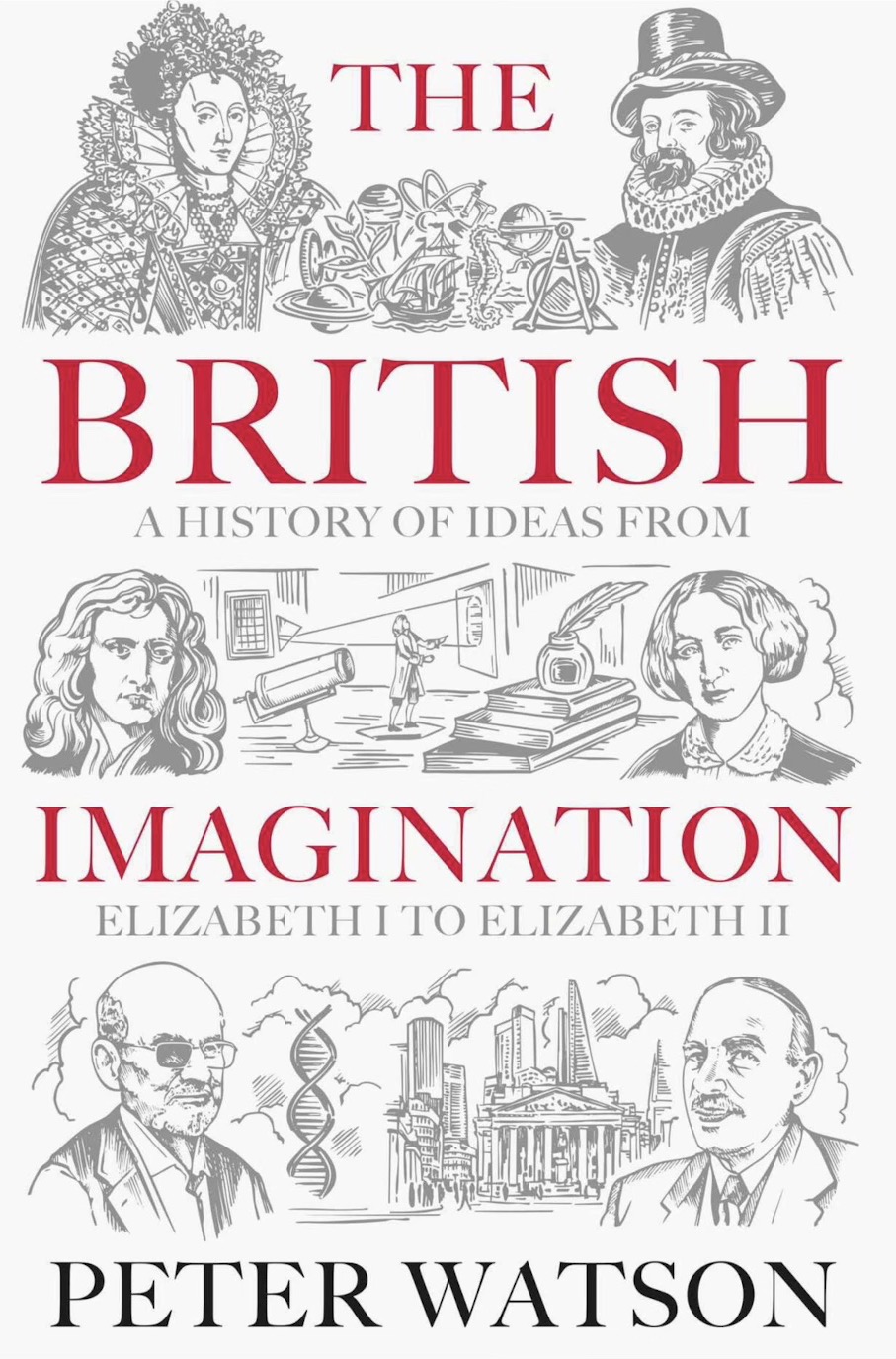
When we think of British history, a familiar pageant often comes to mind: the rise and fall of a globe-spanning empire, the succession of monarchs from Elizabeth I to Elizabeth II, and the towering genius of figures like Shakespeare and Newton. It’s a powerful narrative, one of steady progress from a small island nation to a world-shaping force, built on a foundation of seemingly innate confidence and creativity.
But this well-worn story, as grand as it is, overlooks a stranger and more compelling truth. Beneath the surface of famous battles and royal decrees, a different set of forces was at work, shaping the c’s intellectual and cultural DNA in ways that are often deeply counter-intuitive. This article, drawing from the insights of Peter Watson’s historical survey, The British Imagination, reveals five surprising takeaways that challenge our assumptions about how Britain’s unique character was forged.


